Finally Get Control of Your Diabetes Before It Controls You
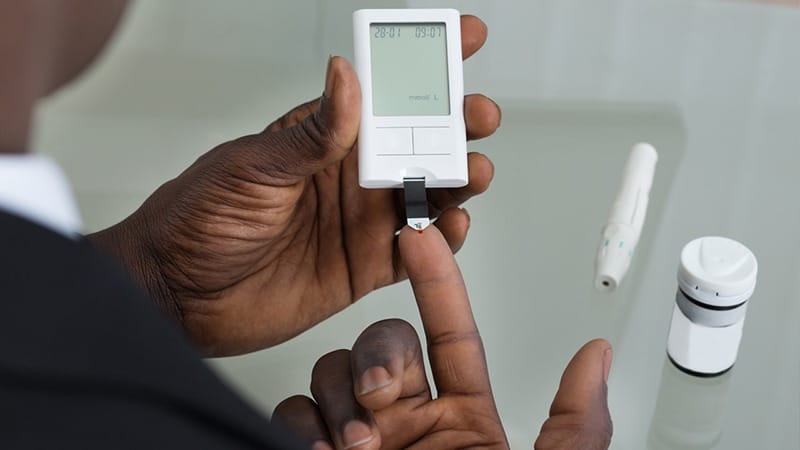
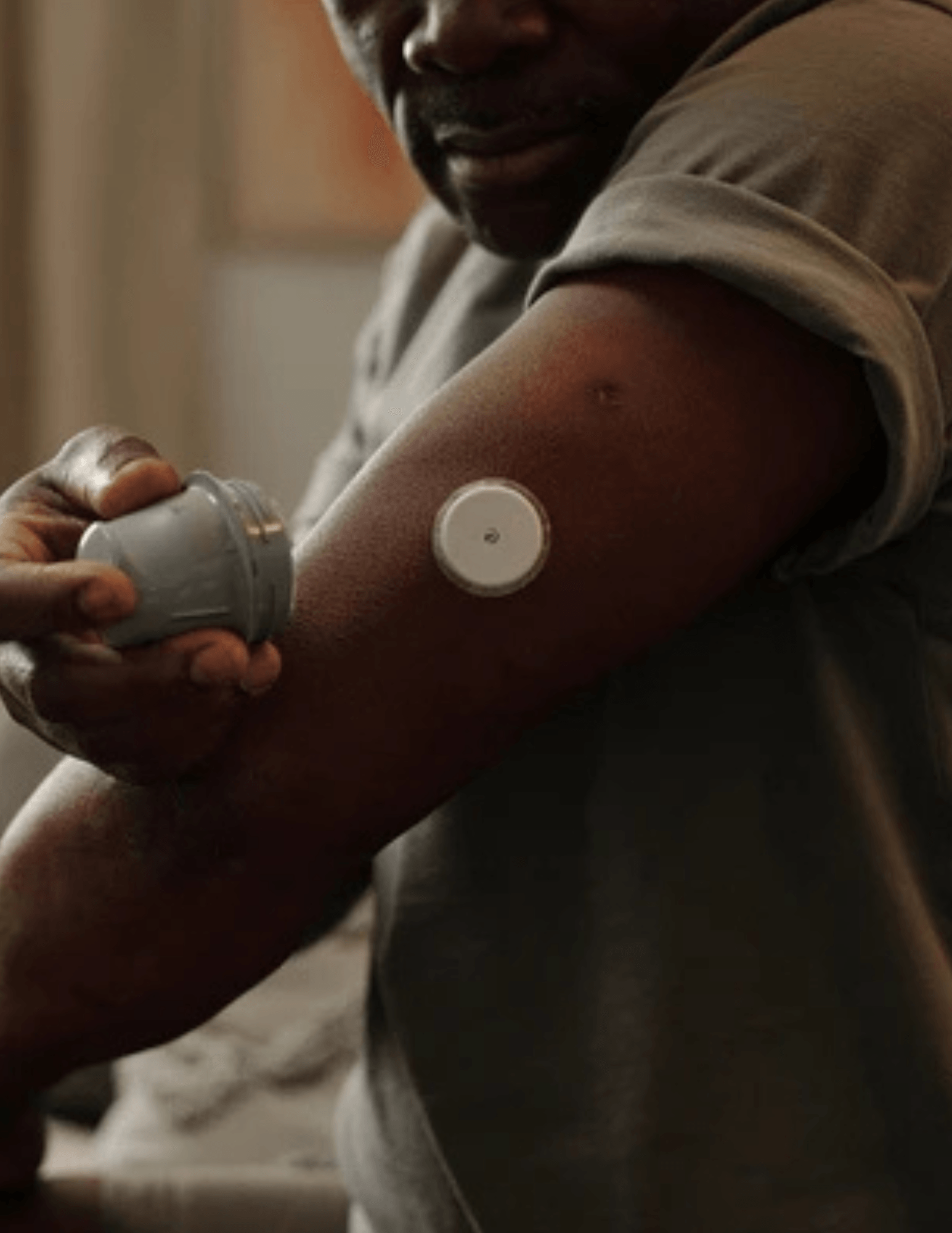
Our program is designed
for adults who have:
✓ Type 1 Diabetes
✓ Type 2 Diabetes
✓ Prediabetes
✓ Obesity or Weight Gain
✓ Diabetic Neuropathy
✓ Chronic Kidney Disease
✓ High Blood Pressure
✓ High Cholesterol
✓ Slow-Healing Wounds
✓ Frequent ER Visits or Hospitalizations
✓ Difficulty Managing Multiple Medications
✓ Continuous Glucose Monitors (CGM)
✓ Newly Diagnosed Diabetes
✓ Poorly Controlled A1C Levels
We do more than simply educate patients about diabetes.
We actively help stabilize your condition through ongoing monitoring, medication management, lifestyle coaching, preventive care, and close follow-up.
Our goal is to help you avoid complications before they occur.
Comprehensive Diabetes Evaluation
-Review of blood sugar trends -A1C evaluation
-Medication review
-Risk assessment for complications
Continuous Glucose Monitoring (CGM)
-CGM prescription and setup assistance
-Glucose trend interpretation
-Personalized recommendations
Medication Management
-Diabetes medication review
-Insulin management support
-Medication compliance monitoring
Remote Patient Monitoring (RPM)
-Blood pressure monitoring
-Glucose monitoring
-Ongoing review of health data
-Early intervention when problems arise
Chronic Care Management (CCM)
-Monthly care coordination
-Specialist communication
-Medication reconciliation
-Preventive care reminders
Weight Loss & Metabolic Health
-Medical weight loss programs
-Nutrition counseling
-Exercise recommendations
-Obesity management
Diabetic Foot & Wound Prevention
-Diabetic foot assessments
-Education on foot protection
-Early identification of wound complications
Preventive Care Services
-Annual Wellness Visits
-Laboratory review
-Cardiovascular risk reduction
-Kidney health monitoring
✓ Improved Blood Sugar Control
✓ Better A1C Levels
✓ Reduced Risk of Amputation
✓ Reduced Risk of Stroke and Heart Attack
✓ Improved Medication Compliance
✓ Weight Loss Support
✓ Fewer Emergency Room Visits
✓ Better Quality of Life
✓ Personalized Nurse Practitioner Oversight

With more than 25 years of experience caring for adults and seniors, our team understands that diabetes affects every part of your health.
We focus on prevention, education, stabilization, and long-term success.
Our mission is simple:
Help patients stay healthier, avoid complications, and remain independent longer
-Improve nutrition in a sustainable way
-Increase activity safely
-Reduce insulin resistance
-Stay consistent with medication when needed
-Build habits that support long-term control
-Our Comprehensive Diabetes Care Process
Your care begins with a complete medical evaluation, including:

Take control of your health before diabetes takes control of you.
Phone: (323) 596- 3530
Location: Los Angeles, CA
Services: Telehealth | In-home support (as eligible) | Diabetes Stabilization | Foot Care Support
TruCare Telehealth Medical Group
Preventive Care • Diabetes Stabilization • Weight Loss • Chronic Disease Management
Prevention, especially of Type 2 diabetes, is largely achievable through lifestyle choices. Here are some ways to reduce the risk of developing diabetes:
 Maintain a Healthy WeightExcess weight, especially around the abdomen, increases insulin resistance and raises the risk of Type 2 diabetes. Aim for a balanced diet and regular physical activity to maintain a healthy weight.
 Eat a Balanced Diet:Opt for a diet high in fiber and low in refined carbohydrates and sugars. Foods rich in fiber, like vegetables, fruits, and whole grains, help regulate blood sugar and maintain a healthy weight.
 Get Regular Health ScreeningsIf you’re at high risk for diabetes (due to age, family history, or other factors), regular screenings can help detect prediabetes or early signs of Type 2 diabetes. Early intervention can significantly reduce the risk of developing diabetes
 Avoid Smoking and Limit AlcoholSmoking increases insulin resistance and the risk of diabetes. Excessive alcohol intake can also disrupt blood sugar levels, so it’s best to drink in moderation.
 Stay ActiveRegular physical activity not only helps control weight but also improves insulin sensitivity. Aim for a mix of aerobic and strength training exercises to maximize benefits.
 Manage StressChronic stress can raise blood sugar levels. Incorporating relaxation practices, such as yoga, meditation, and hobbies, can improve mental health and reduce diabetes risk.
Here's what they have to say
Greg has been in therapy for an extended period. When he began monitoring his hemoglobin A1c (HbA1c)—a blood test that tracks average blood sugar levels over the past three months—his level was 6.8, but it has since improved to 5.6.
A normal A1C level is considered to be below 5.7%, while a level of 6.5% or higher indicates diabetes; a range between 5.7% and 6.4% is classified as prediabetes.
Key points about A1C levels:
Normal: Less than 5.7%
Prediabetes: 5.7% to 6.4%
Diabetes: 6.5% or higher

Frequently asked questions answered
Tools, Tips, and Support for a Healthier Life with Diabetes